• Published on

    Serving the Next Generation

    Picture
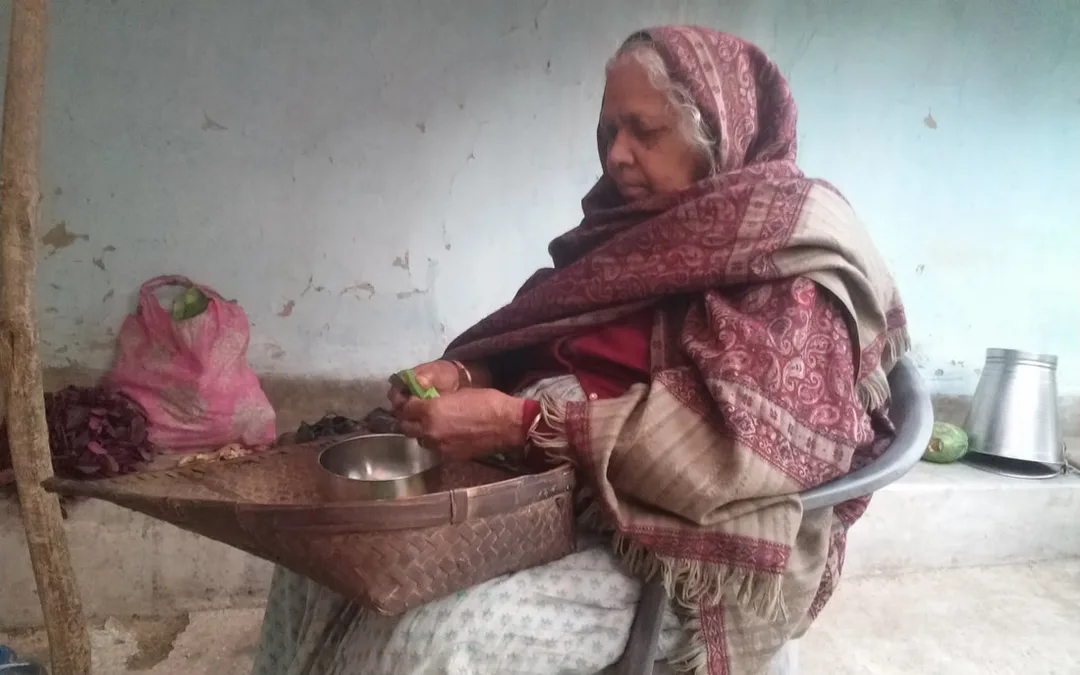
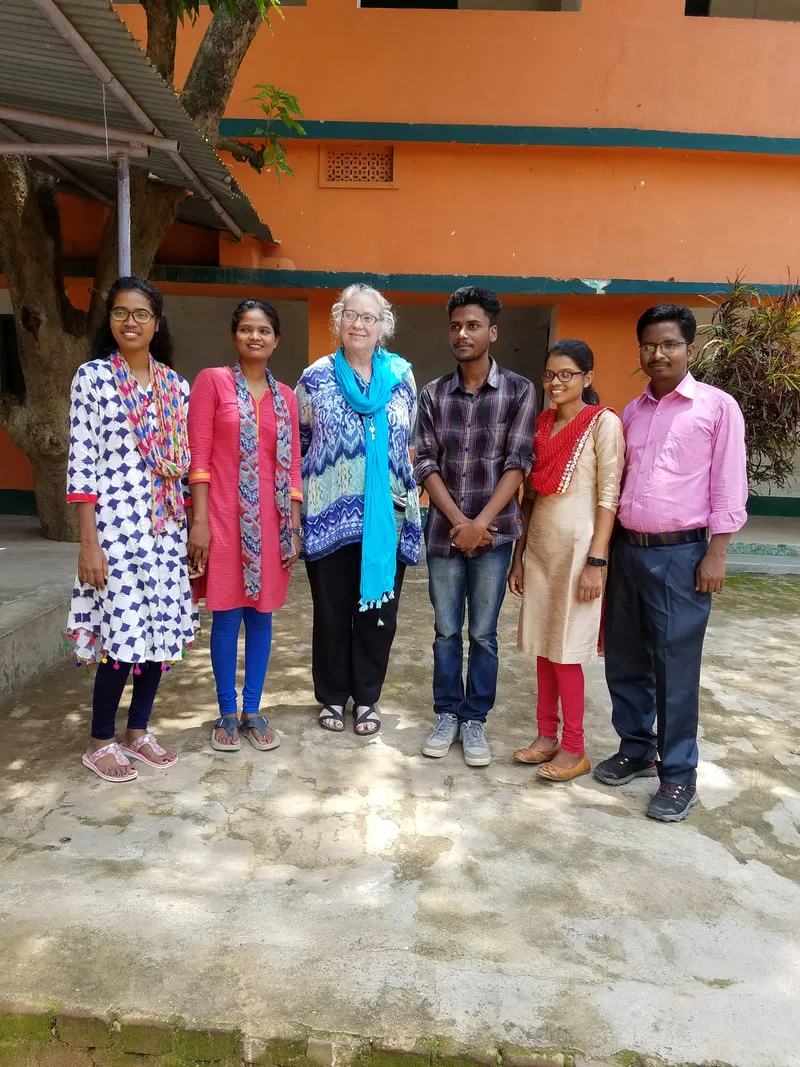
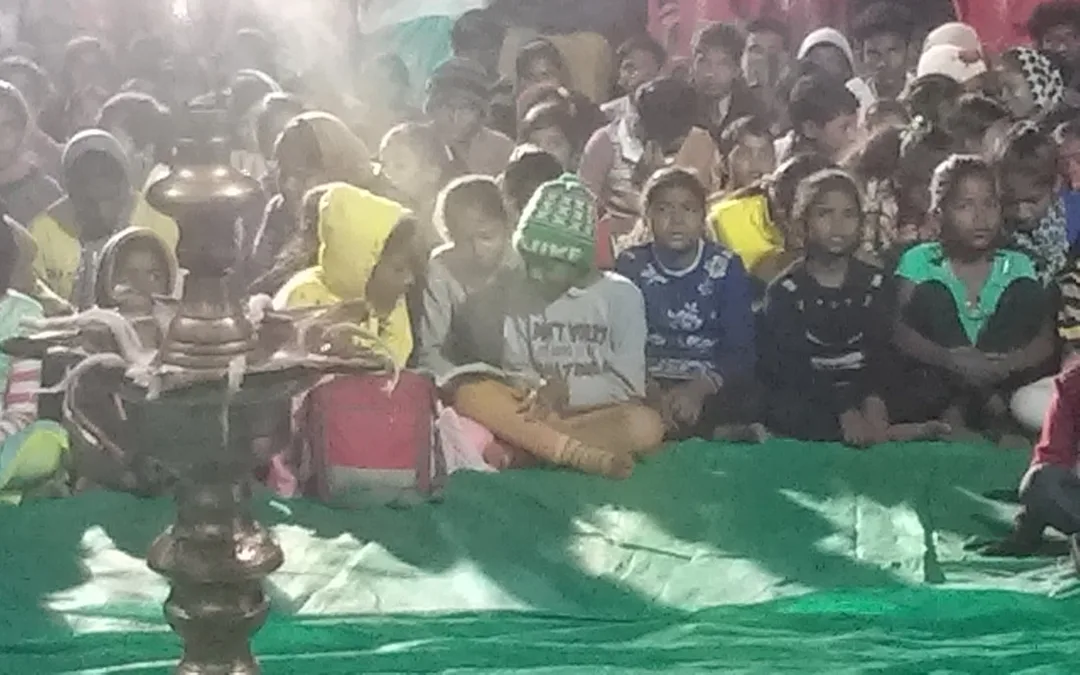
    Here are some of sentiments expressed at the last writing workshop in Ranchi:

    The important thing is that if we don’t write down the stories of our grandfathers and grandmothers. Which might seem quite trivial, like the story of how the tiger got his stripes, and if you don’t write them down, then our stories are  completely forgotten, and then the next generation has no wealth of knowledge. Even the smallest little detail might be something that can generate identity and connect the next generation to their heritage. So everything is important. So as a writing community we are hoping to write down and explain what we know, so the future generations will have the chance to understand our legacy.


    We have been dependent in passing on through oral tradition, but our generation is at a juncture because we are transferring to a written tradition and we now have a very less opportunity to hear about our ancestors from our forefathers. So it is unfortunate for us not to hear our old stories from our grandparents and pass on to our granddaughters and grandsons our own family stories. We are now very much dependent on digital instruments like mobile and other modern facilities. On one side this is good, but it is also a disadvantage (since we do not share orally). So we have to cope with both and we have to adapt the oral as well as the written. In times past there was no written tradition, we were very much in touch with our language and culture, now it is up to us to write our traditions. But we are forgetting, or are reluctant to know our culture, which is unfortunate. But now we are very optimistic and know we have to save all these things otherwise the coming generation will not know anything.
    Picture
    Picture
    I don’t know what your experience is, but my granddaughters don’t want to listen to me. I want to talk to them, but they view the TV or their mobile, and they look at it and talk there. I want to talk with them, but they do not want to listen to an old man. So how do we deal with this generation in this kind of situation to pass on what we have to the younger generation?  One way is in writing, passing on in writing. So therefore story writing will be very important for this generation, and also the next generation, otherwise talking has become almost negligible.

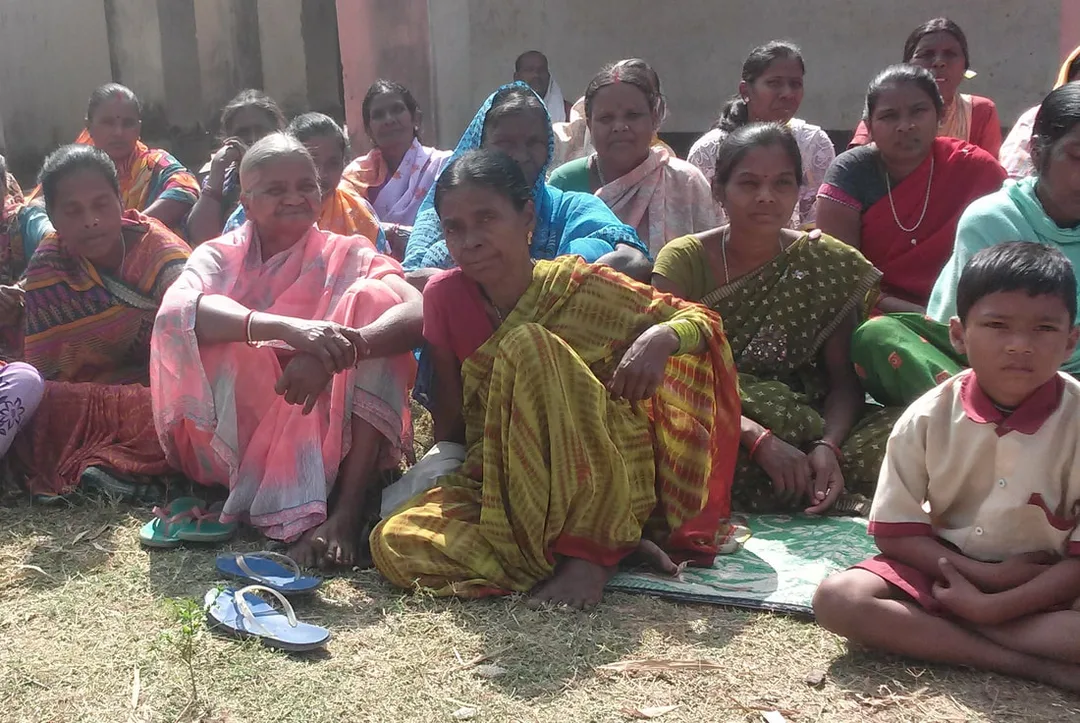
    We have come to understand that we should write the history of our family, It is very significant if we did not have any direct contact, still we have a long history of how our ancestors lived in this land and how they came to the Christian faith. There are very interesting stories, and also some very disturbing stories. I think I want to write it down not just for my next generation but for others, those outsider our community, or new Christians, or those who are third or fourth generation Christians. Whatever our history we can preserve will serve many.
    Picture
  • Published on

    Preserving our Heritage

    Picture

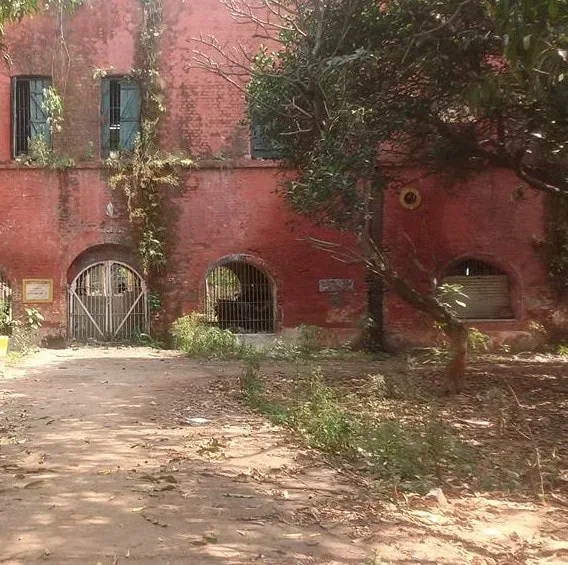
    The old jail in Ranchi, where the freedom fighter, Birsa Munda, was imprisoned and died. While his story is being remembered and rejuvinated , in 2016 I found this historic sight forgotten and in disrepair

    The first book I have ever written is the biography of my great great granfather, Ferdinand Hahn, a German missionary in Chota Nagpur from 1868-1910. My family in American had little to no memory of him. My research of this forgotten ancestor, led me to learn of the story of the Adivasi and Christians of Chota Nagpur. And in this biography I write to preserve the heritage of both my ancestors and the Adivasi Christians. The book is completed and I have submitted to publishers, hoping that it will be published in 2019.

    Many stories are forgotten and many sources of heritage are slipping away. However, I found that it is possible to piece the story of a forgotten past together through storytelling. Storytelling, is an interpretation of a few facts. It pieces together little snippets of material to make a beautiful whole, like a quilt. A good story is an authentic story, not necessarily a factual story. In my writing I fill in the holes where facts were not found, based on my interpretation of the facts that were found. I not only understand, but hope that as more information is unearthed, as more stories about the same facts are told, my story will change.


    I was not a writer, through this process I have become one. I was never good with grammar and language, though I loved to read. Through writing I have come to understand language better, and have improved my writing style. I wish to encourage people to write and write often to grow their skill.

    However, I also recognize that writing is not the only way to tell stories. There are those who like to tell stories, but hate writing. There are many who tell stories through poetry, song, dance, art and even food and dress. The Gonds have been telling their tribal stories through folk art; the
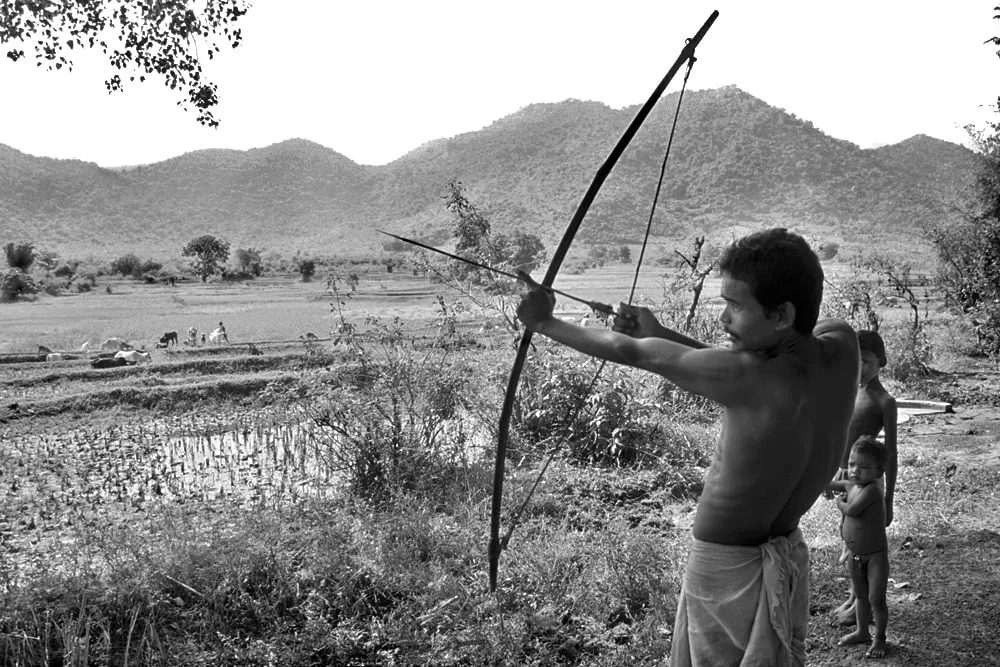
    Siddis tell their story through quilting. The Adivasi of Chota Nagpur (eastern India) tell stories through dance and song.  Mahasweta Devi told the story of a people through the bow and arrow in her work ‘Choti Munda’s Arrow.” All these elements of culture can be incorporated into storytelling. Many of us have learned stories of our family in the kitchen, watching our grandmother cook, or working along side our fathers, or playing games with other children, or finding an old tree. Everywhere there are stories.

    Who is the story teller in your family/village/clan/neighborhood? In my family it was my dad who was the storyteller. He tells over and over again stories from his life, as well as folk tales. When my mother was alive they use to argue about the details of the life stories. Through their different perspectives of the same story we children gained a bigger picture of what happened, about who our parents were and what mattered to them. And I am sure we still came up with different interpretations of the same story. As I was writing the biography, my father has been my primary editor. If the story resonated with him as authentic I felt that I was on the right track. I am now in search of other readers with different perspectives to find out how the story resonates with them. This is the true measure of the authenticity of a story.

    Writing is a journey. The writer asks a lot of questions and searches for answers. I had to figure out where to search, and sometimes I would find answers in the least likely place. It is like walking through the jungle, you never know what is ahead. The one thing I do not like about writing is that it can be isolating and lonely. Those people's who live in jungles therefore rely on community. This is why I also want to encourage people to create writing communities.

    I have found academic writing helpful to storytelling. The last writers workshop I attended was a group of Anthropologists who began to write novels based on their anthropological studies. They collect people’s stories and what they write, help all of us learn more about culture and humanity. I also appreciate Psychology and the various studies of Identity, emotions, and behavior. During my research, I relied on this body of work to enhance my story telling. 

    In my journy, I utilized my local university that provided several writing workshops. Here I learned from others how to write. I was able to have others critique my work and learned how to appreciate finding out that something that sounded very good to me, did not communicate what I hoped. Writing is finding your own voice and learning how to effectively communicate. So this is why we I gathered other's interested in preserving their heritage when I arrived in Ranchi this last time, to create a writing community that would together explore finding, telling and preserving the stories of our heritage.
    Picture

    Image from: https://hiveminer.com/Tags/adivasi,people

    At this first gathering of Heritage Writers on 5 November 2018 at the HRDC on the GELC church complex in the heart of Ranchi we had twelve zealous writers who shared their vision for preserving their heritage. Together we gathered ideas and discussed: What stories are important to tell? Where can we find these stories? What methods can be used? What medium is the best for communicating the stories? Who is the audience? I will share some of this conversation in future blogs. The community of writers interested in preserving Christian and Adivasi heritage in India is growing. If you wish to join this community you may contact me through this blog or through maribeti2004@gmail.com.

  • Published on

    Writer's workshop

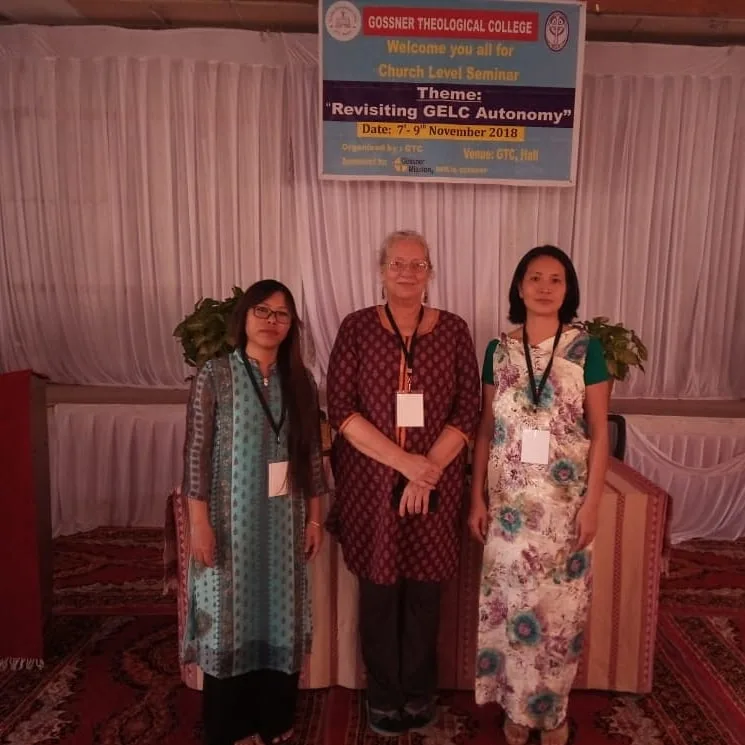
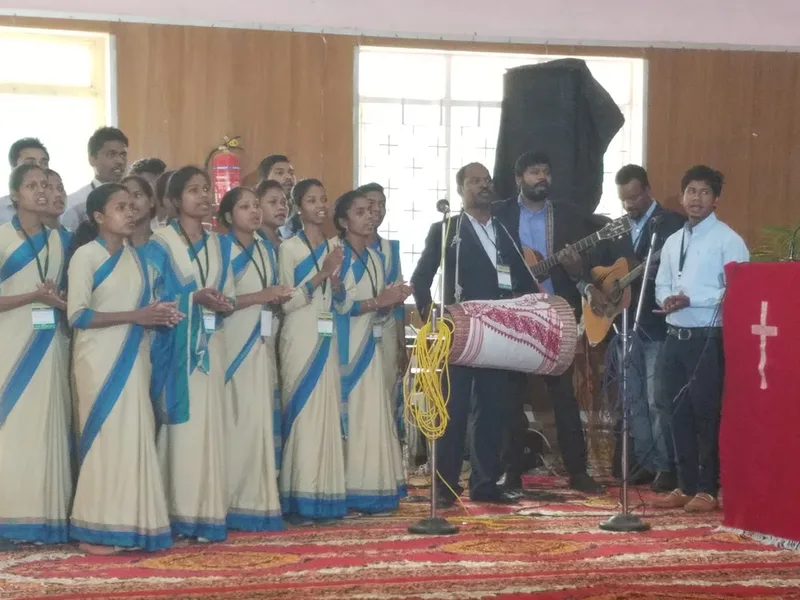
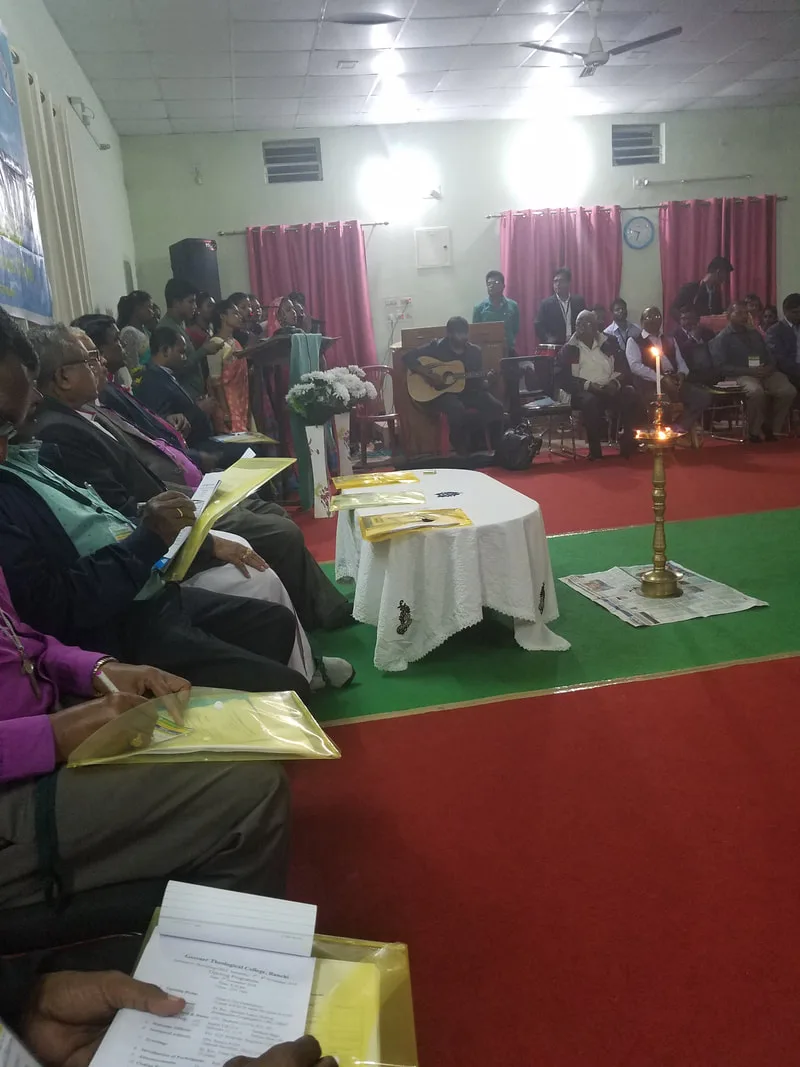
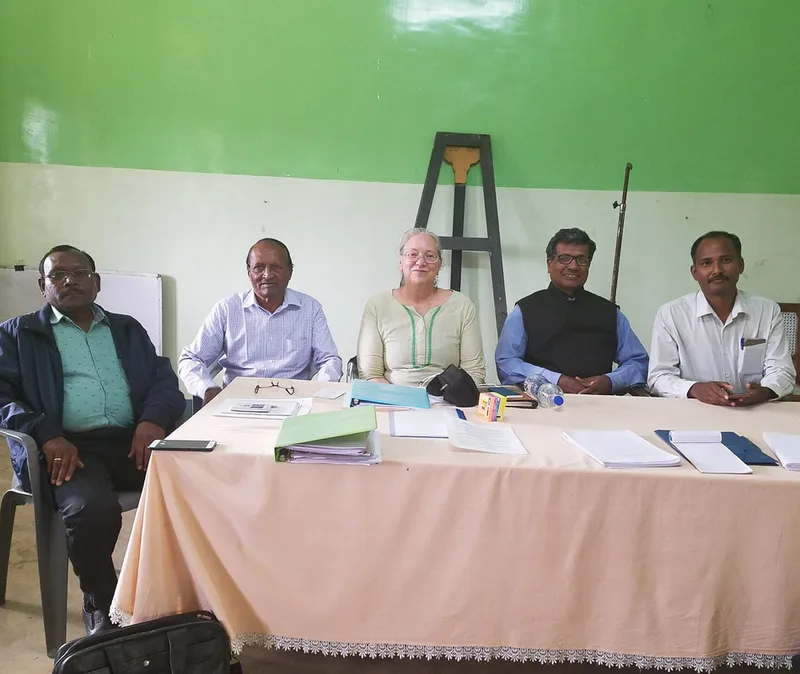
    My most recent visit to Ranchi in Jharkhand, India was the most inspiring of visits. Having completed my book, I still have to write my conclusion. I wanted to wait till after this visit because I would be learning more about a facinating part of their history that they are beginning to celebrate. In 1919 the Adivasi church that my ancestors were instrumental in founding gained its autonomy. One of the first native churches in India, well before national independence, to receive its independence (from missionary control). The intention to have a self-sufficient, self-administrating church was the original intention of the Gossner missionaries, including my great great grandather, Ferdinand Hahn. I attended a conference this time, as the church begins to revisit and revision the significance of this autonomy. I learned a great deal and was glad to be part of such important conversations. I do feel much better prepared to write the conclusion that will reveal that the vision Ferdinand Hahn had for the church and the people to whom he devoted his life, pretty much came to fruition.

    While I was there I thought I would see if there were others interested in Preserving our Heritage. When I first came two years ago, I had hoped that I would be able to learn by talking to people about their history. I discovered that many people, like me, had little knowledge of their heritage. Even so I also saw that there was a keen interest in learning their heritage. My hope is that my book, and the books my father translated into English of histories of the church written in German, will open people to discover their own heritage. For in writing about my great great grandfather, I also wrote the story of their heritage. I feel that there is still much more work to be done.

    The culture of the Christian Adivasi continues to be predominantly oral. The generation and keepers of the old stories are going away. If this generation does not preserve stories, many of them will be lost. While I was there I met with twelve others who were keen to write more about their heritage, and to create a community of writers that will encourage each other in the process. There are easily twice as men who I met who are keen to join such a community.

    I have decided to start a new blog that will follow the journey this writing community from Ranchi will take as they venture into discovering, writing and preserving their heritage stories. Each blog will be from our conversations, with some samples of writing.
  • Published on

    Time Pass Kiya (conversing)

    My visit to India has been most enriching. This is the best kind of tourism: to stay in one place and talk and listen to people. My Hindi is getting better with each visit. Though my collection of books to read in Hindi is growing, so I plan to work on developing that skill over the next year.
     
    I was glad to get some very good input on my book, but the greatest blessing was to talk with people about their own heritage. There is a certain urgency as people recognize that the holders of the oral traditions are passing on. It was encouraging to see a number of people who wish to form a community of writers to encourage each other in the effort to preserve heritage.  

    We shared various stories we wrote down, stories of faith and courage. I will share a simple example from one of the stories:

               An old couple who had been the leaders of a Hor tribal   
              community once had run out of food. I young lad came and
              told them that the leaves of the tree outside their house was
              good for food.  He made them a meal, and when it was cooked,
              it boil
    ed down into a very small portion. So for this small portion
              the old man gave a very very long prayer. 


    It was the long prayer for such a small portion that we laughed about, I pointed out it was symbolic of what we were talking about. The old couple had forgotten their indigenous wisdom, that God has provided abundantly for the needs of people. It had to be a young person to remind them that such knowledge was important. The overflowing gratitude for even the smallest effort or portion is very much expressed by the people.

    The rest of my time was a period of reflection on the importance of the 100 years of autonomy that the Christians of this region are celebrating. Autonomy from outside/foreign administration. They face many challenges as they deal with generational, gender, cultural, political, regional, and socioeconomic differences, and how to follow the way of the Spirit of God. I am so inspired by them and am so humbled by how they warmly welcome me to share in their journey. I think my great great grandfather Ferdinand Hahn who lived here 108-150 years ago would be very happy that I am taking time to pass time with them.
    I also had good conversations about minority rights and issues (particularly Christian and tribal) in Delhi, where I stayed at the beautiful JNU campus. I had the blessing to witness how Urban Oraon Christians celebrate harvest festival.
  • Published on

    Getting Ready for Another Visit to Ranchi

    I have enjoyed visiting with friends from Ranchi here in the US this past month. Niw I get to go visit again to participate in a conference "Revisiting the Autinomy of the GELC" Stay posted I will continue to blog about the trip and my status in my writing journey. 
  • Published on

    Highlights

    Here is a summary of the trip and some of my favorite pictures along the way. In many ways I wasn't  sure why I was going on this trip. Initially I had wanted to take my kids before their lives got too busy, but their lives got too busy, and so they couldn't come but I decided to go anyway. When I got there I realised what things were very important and special about this trip, for me and for others.

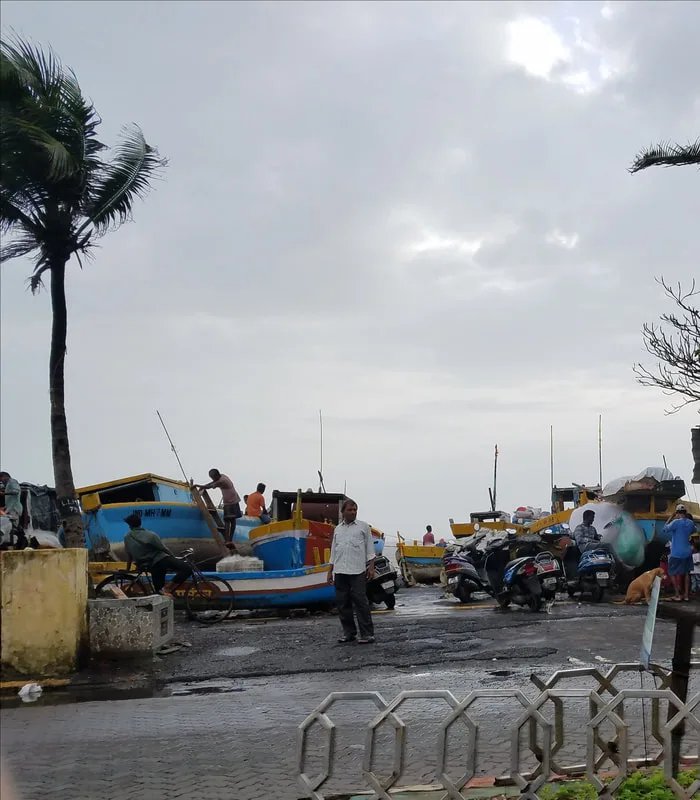
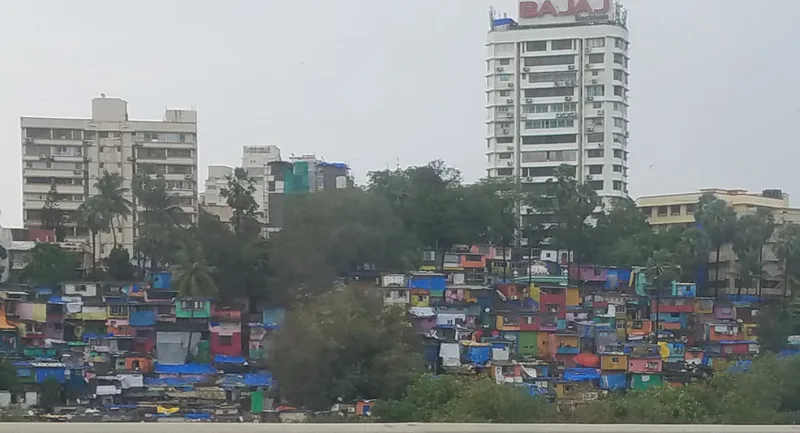
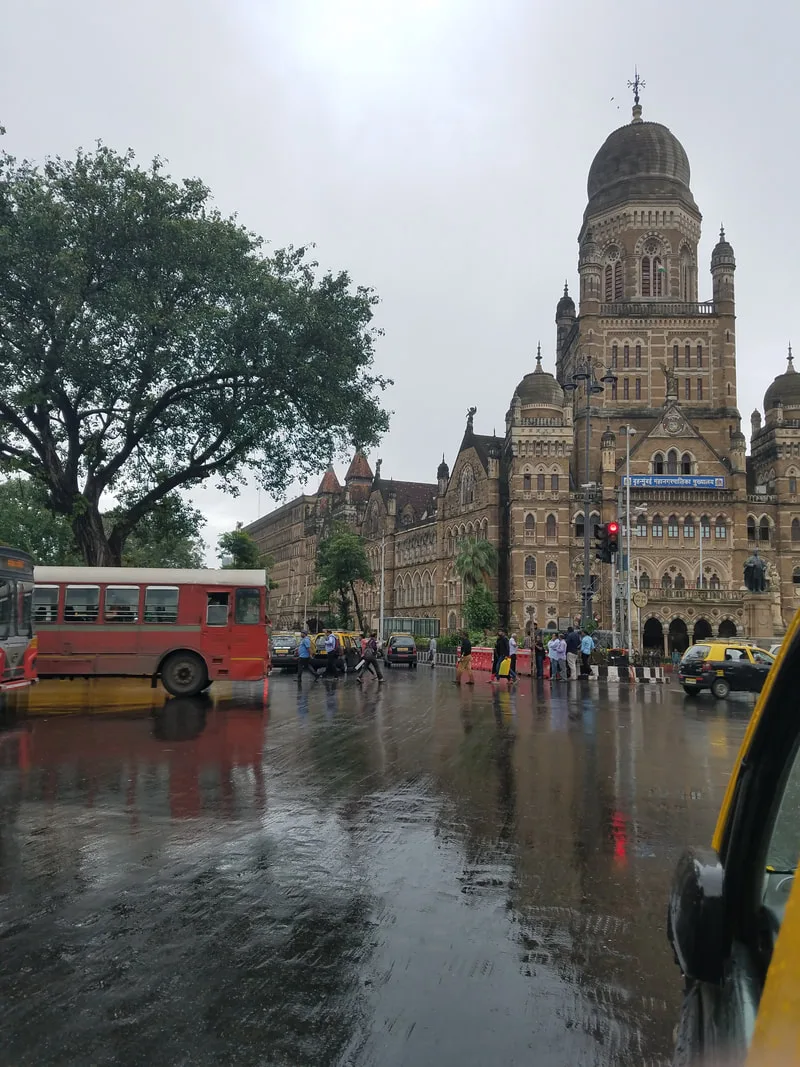
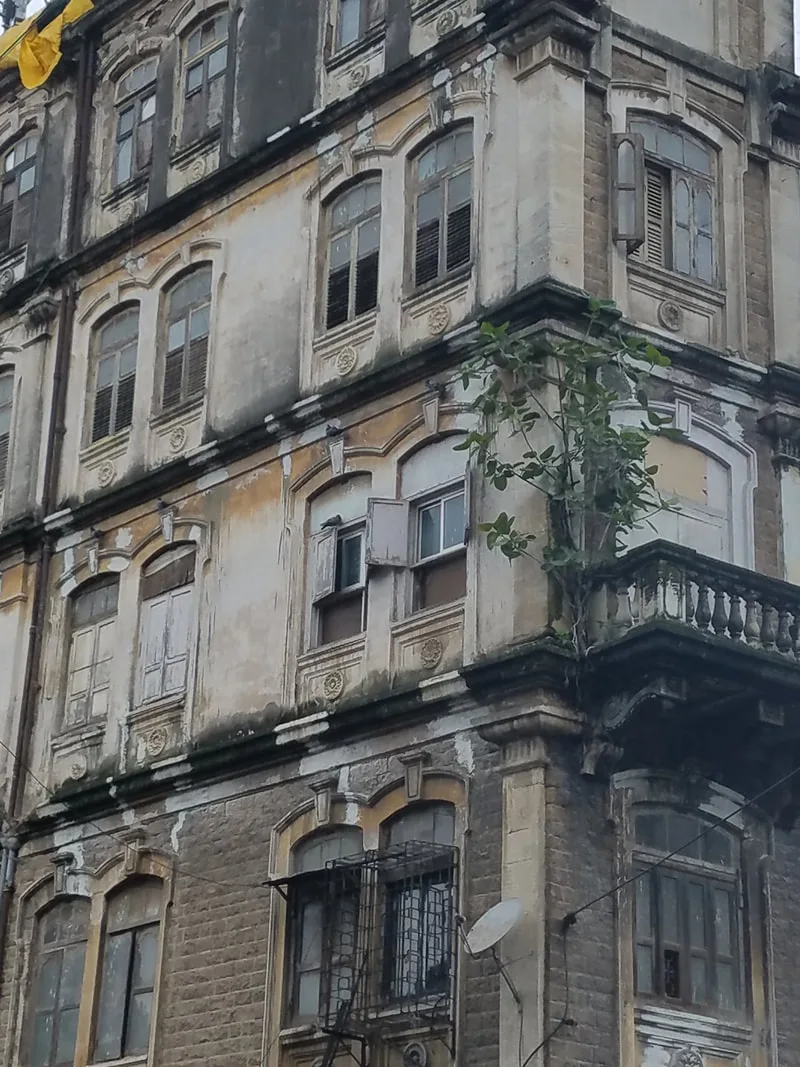
    Mumbai

    Because a dear friend lives in Mumbai, I enjoy having Mumbai be my point of entry into the country. There is nothing like seeing Mumbai with a Mumbaikar, you quickly get a sense of how to navigate those busy and uneven streets and see perhaps things that just aren't on the regular tourist route.....though it is always nice to visit a few of those too.
    Picture

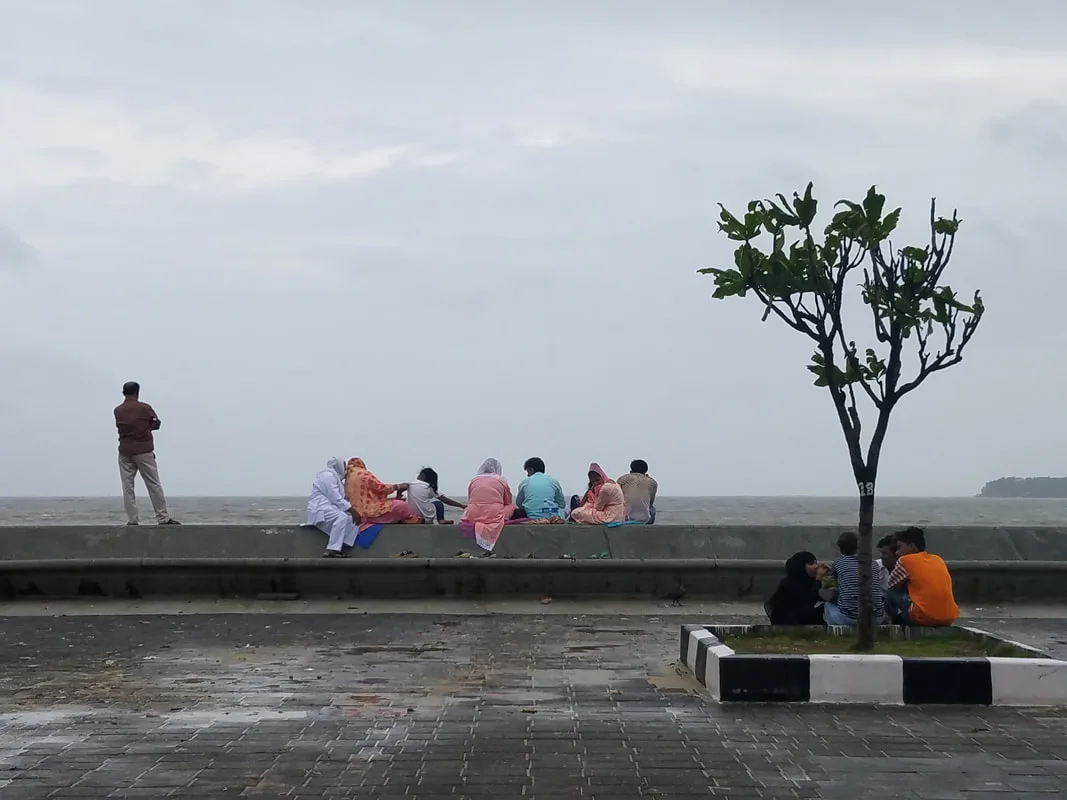
    I love it when I just click a picture out the taxi window and it comes out so perfact. Here is a family enjoying the cool temps on the sea wall

    Lonavala

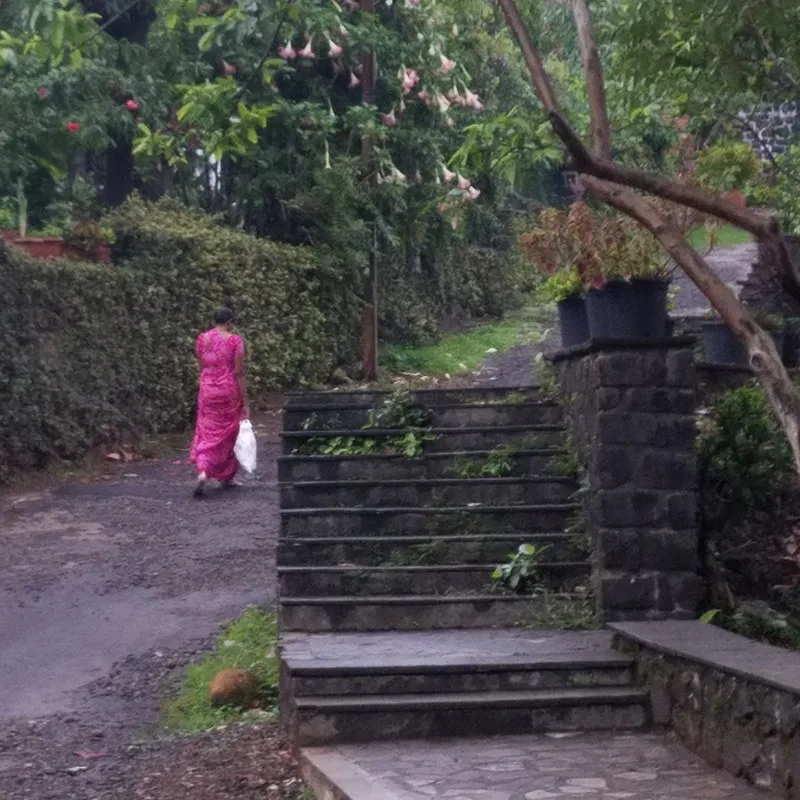
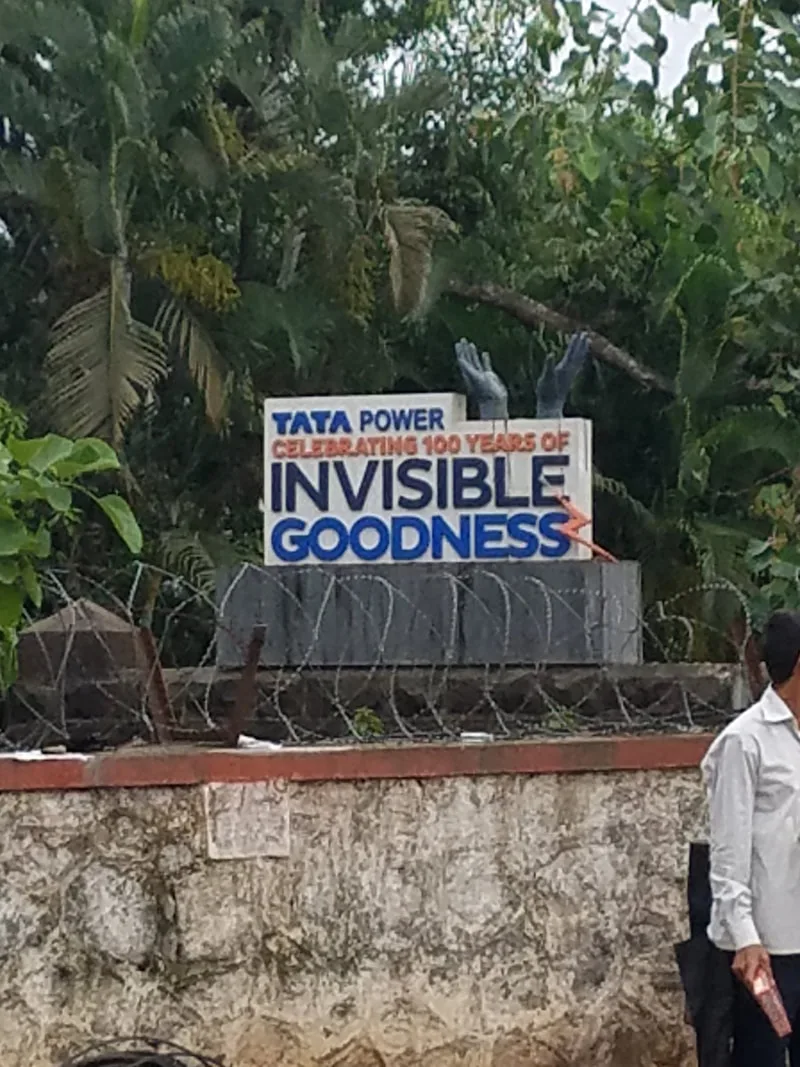
    However when I first arrived in Mumbai there was a break in the monsoon, that had just started and so it was incredibly hot. So my friend and I escaped to the hills, the Western Ghats just outside of Mumbai. There the rain was regular, though not as forocious as it gets later on. Here life is simply and slow and nature does sings making you so aware of the rich abundance of invisible and visible goodness that surrounds us.

    Ranchi

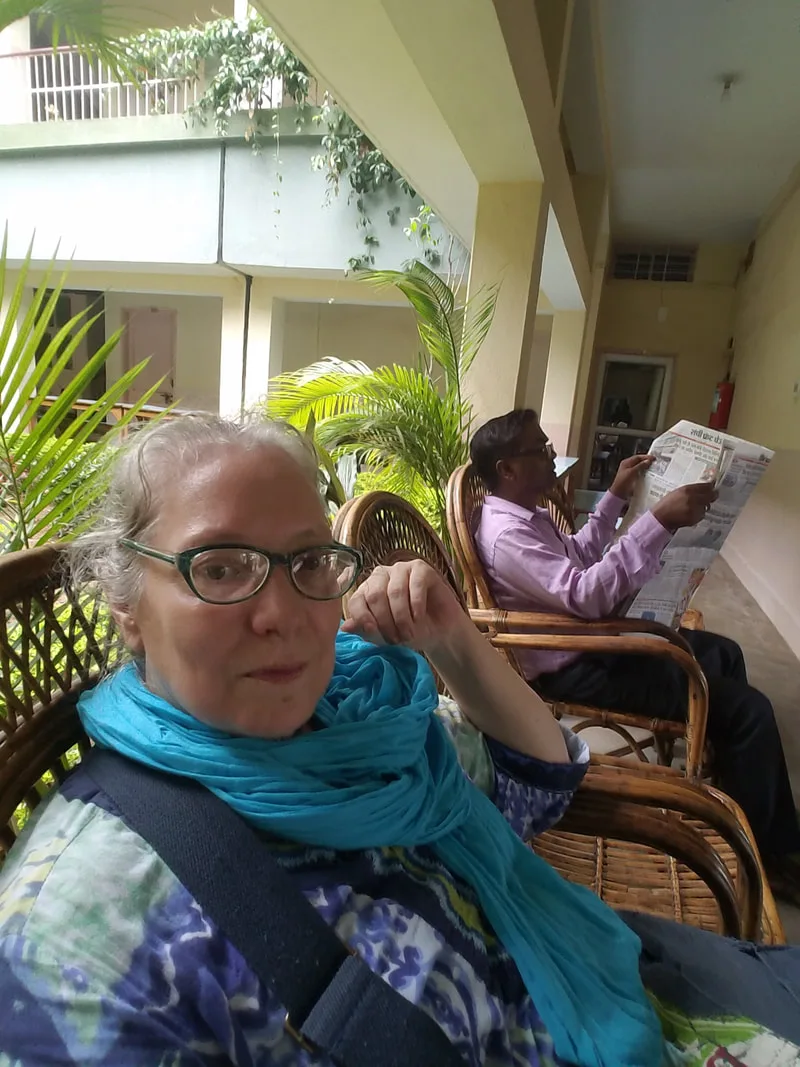
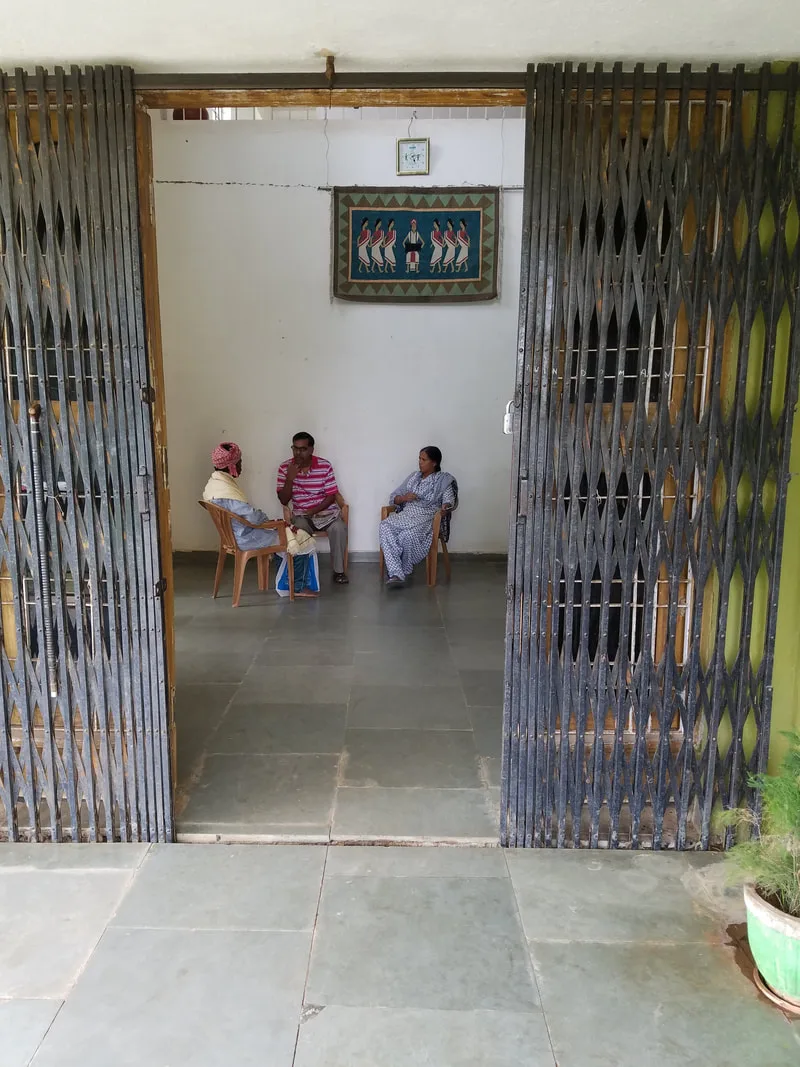
    I truly love staying at the HRDC (Human Recource and Development Center) Guest House. Primarily because the staff are so delightful and I can just sit in the lobby and meet the most interesting people. I did very briefly go to the "Theologica" or the Gossner Theological College (GTC) and to the GELC (Gossner Evangelical Lutheran Church of Chota Nagpur and Assam). I enjoyed speaking to the staff of the "Gharbandhu" which is the regions oldest newspaper, a hindu publication for the church. We spoke about how I can share pictures and short stories that they can translate and publish.

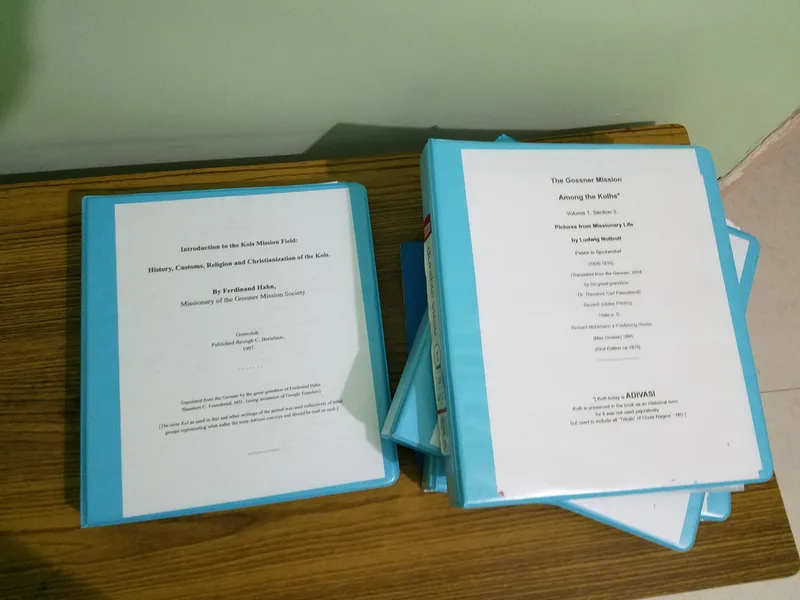
    Just before I left, I thought it would be a good idea to print out a copy of the translation work that my father has done of two histories written in old German by two of my great great grandfathers: Ferdinand Hahn and Ludwig Nottrott. [Note as far as we know Ludwig never came to India, but he wrote down this history based on the information sent to him by his brother, Alfred Nottrott who was a co-worker with Ferdinand Hahn. Ferdinand's oldest daughter, Louise, and Ludwig's oldest son, Karl W, married and are my great great grandparents] When I was having this work translated for my own research, I realized how valuable this history would be for the Adivasi people of Chota Nagpur. This may be one of the only and oldest histories. Why it was never translated earlier and put into their hands I do not know. it was most significant that I brought to them these vital histories for them and have asked both the GEL: and the NWGEL to publish these works, and translate them into Hindi. So that more people will know their history.  I did not know how well received this gift that I left with the two seminarys would be. It is such a joy for people to have in their own hands one of the most important versions of their own history for the first time.

     Malar / Lohardaga / Chatti

    The last couple of times I spent a lot of time with the GELC and the GTC, staying in Ranchi and traveling out to various outposts such as Purulia, Chaibassa, Jhamshedpur, and Lohardaga. There are still many other places that I would love to see, but I have a feeling I have a long history here and will be returning and have other options to see other places of this 2nd largest Lutheran church in India. For those who don't know there has been a split since the 1970s in the church so currently there is the GELC and the NWGELC, they have a common history and many other things in common, however, they both also have some unique differences. In any case, I had not spent much time at the NWGELC Navin Doman Theological seminary in Malar. So this time I spent half my time there. I was asked to share part of the history that I have learned with them and gave two lectures that I have now shared in this blog (6 parts).

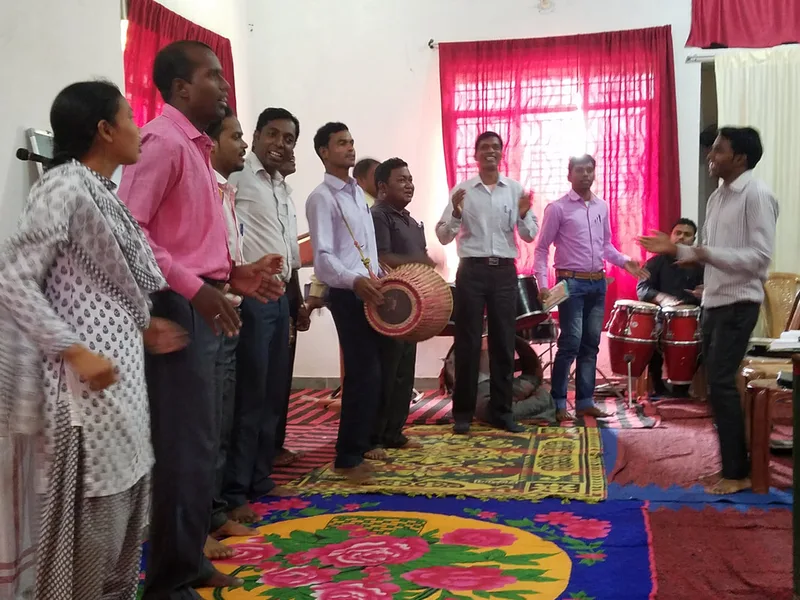
    Malar is out on the edge of Ranchi in the country alongside a forest that is shared by three Adivasi villages. Again it is very peaceful there. My hosts are recognized as advocates for the community, and people come to them from the village about advise. Once again the students are often singing, dancing and drumming.
    Picture
    On Sunday we went to church in Lohardaga, where Ferdinand and Doris lived for over twenty years. (1878-1900). The elders and the youth were very interested to learn from me more about their history. They asked me some great questions and I was really appreciative to learn what parts of the biography I am writing of Ferdinand are important to them.
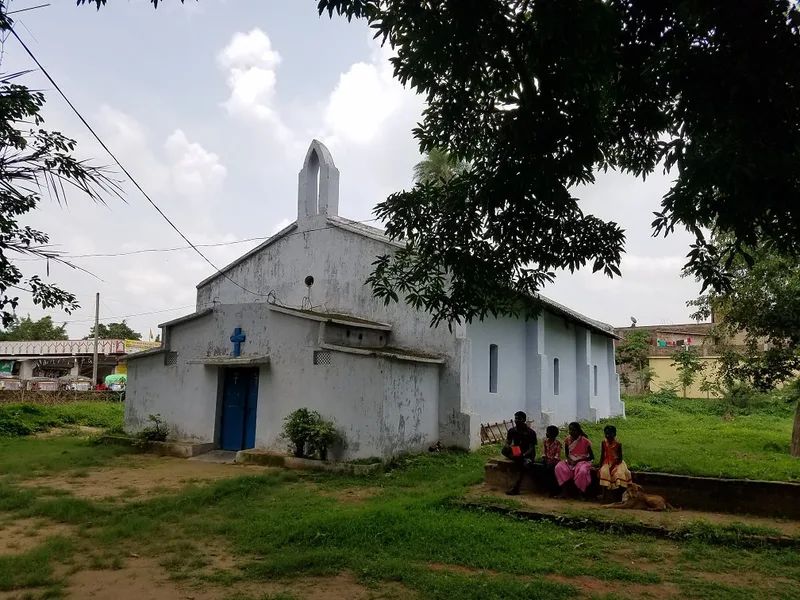
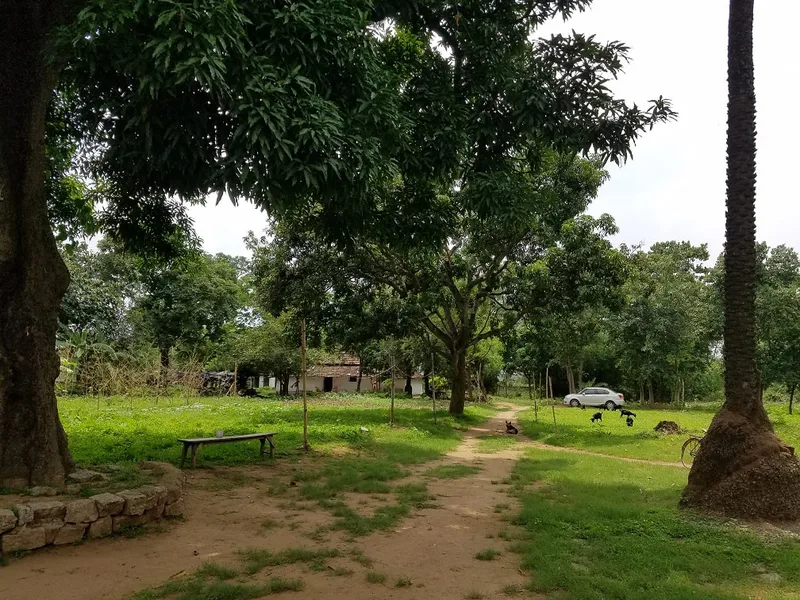
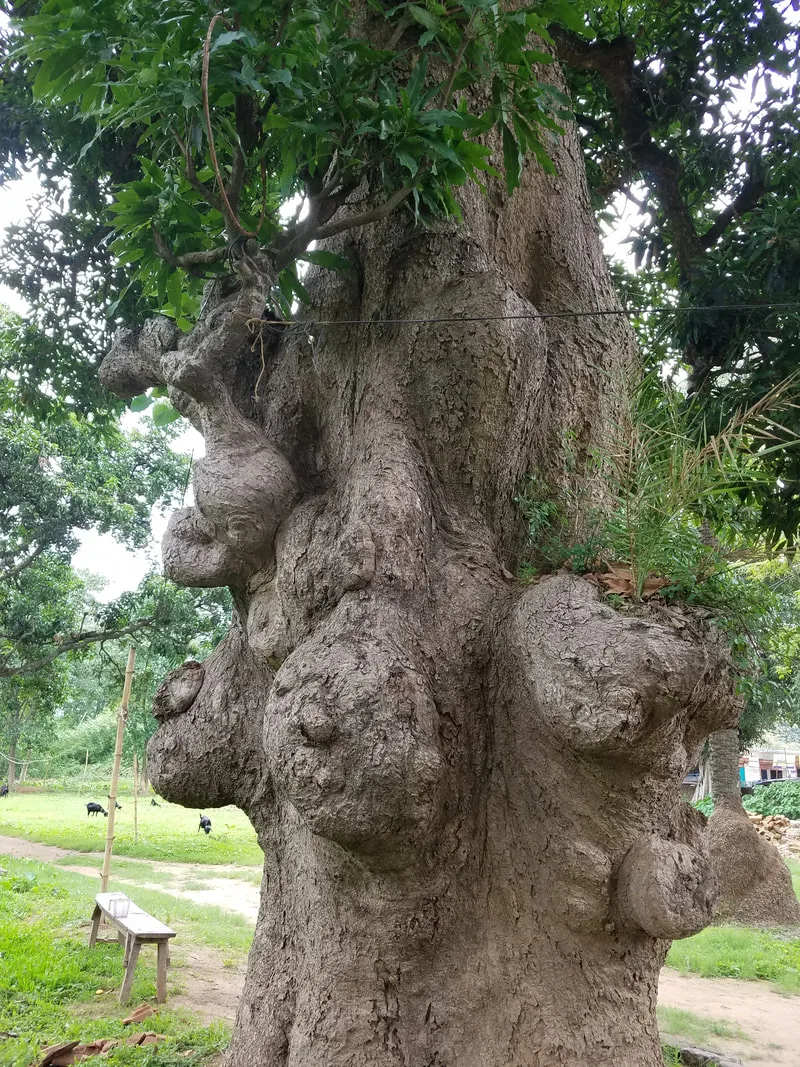
    On the way back from Lohardaga to Malar we stopped at a little church in Chatti that was built in 1883. I had mentioned the origins of this church in my lecture and now it was good to see that it was still standing, and perhaps little changed from those early days. There is a huge mango tree that looks as old as the church. I always wish that the trees could talk to tell us more of our histories.
    Picture

    Delhi

      The time in Ranchi and Malar went by too quickly. I flew to Delhi truly dreading the weather and pollution there. For over a month they had very high temperatures and in addition to the worst pollution in the world they were having dust storms coming in from the dessert. But before I got there a little rain had fallen, enough to clear the skies.  I've been very fortunate the last three times I've been in Delhi over the past five years that the days I have been there have been beautiful. But I had a very bad cold so I mostly spent time staying in my hotel room at the YWCA and recuperating.

    I just want to make a comment about the fact that I have been working on uploading pictures off my phone into my Google Folder and writing this blog. The whole time I was in India it would take ten times longer to do what I have accomplished today! I really appreciate the connectivity that I have in this country! And I appreciate why the answers coming from emails in India always seem to take longer.

    Pretty much the only thing I did while I was in Delhi was to visit Jawaharlal Nehru University (JNU) to visit some social scientists who have also been working on this history of the Adivasi. The campus is so beautiful, a jungle with nealguy deer wandering around and peacocks jumping from the trees and flying across the sky. It was a hot evening and I was weak from recovering, but I really enjoyed not only the campus but also the great conversation. I have been very encouraged that I should be able to publish in India.

    Kalimpong

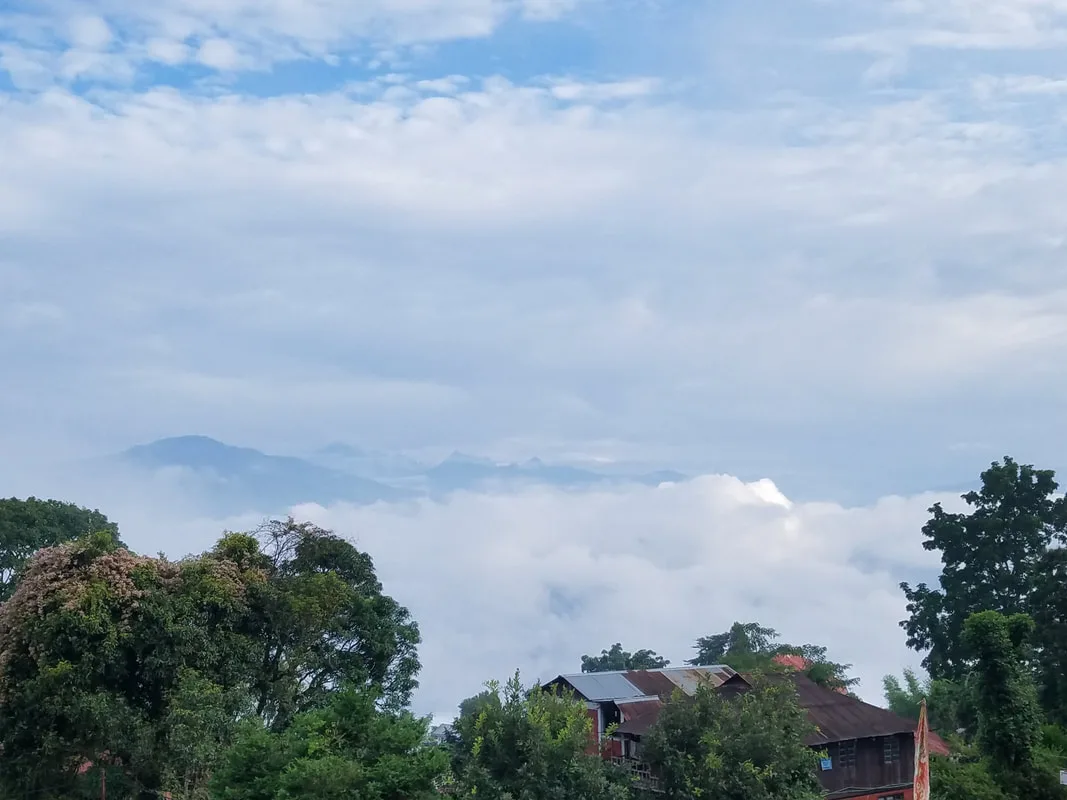
    The tag on to the trip was a week long writing retreat that I took with my friend up in Kalimpong. Five years ago we began to go on these writing retreats and have chosen a different hill station each time. We were anticipating a lot of rain up in this northeastern West Bengal town just on the Sikkim boarder, but it only rained twice during the day the whole time we were there. We spent most of our time writing, but would always have an excursion out either into town or walk out into the hills. It was a beautiful place and I was able to do a lot of editing on my book. Where we stayed would have a beautiful view of the Kinchinjunga range, but we were lucky to get a faint outline through the clouds.
    Picture